
There's still time to apply! Accepting applications for Fall 2026 with scholarship support available. Apply now!

Menu

Menu
There's still time to apply! Accepting applications for Fall 2026 with scholarship support available. Apply now!
Scrivner Institute Community Profiles: Annika Turnquist (MPP '23)
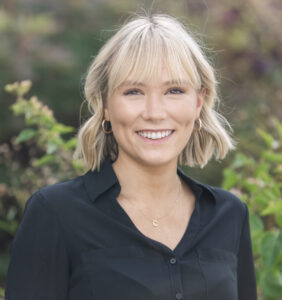
1. When did you attend DU, and what influenced your decision to enroll in the MPP program?
I attended DU from 2019-2023, beginning as an undergraduate student studying public policy and socio-legal studies, and then joining the MPP program through the 4+1 track. I was drawn to DU’s MPP program early on because of the fantastic opportunity to complete my graduate studies in parallel to my undergraduate work, and I loved my experience as a part of the undergraduate public policy program so knew it would be a great fit for me to stay at DU and pursue my MPP at Korbel.
2. What has been your career path since earning your MPP? How did the program help prepare you for what you’re doing now?
Since graduating, I have been a part of an organization called Whiteboard Advisors -- a social impact firm that works across research, policy advocacy, and communications to unlock educational and economic opportunity. I started with Whiteboard Advisors as an intern while finishing my MPP, and transitioned to an Associate role upon graduation before moving up to my current position as a Senior Associate. The practical, real-world skills I learned in the MPP program helped prepare me for my current role by being able to critically analyze existing policies, understand all possible implications, and come up with creative ideas that then inform conversations with state and school district leaders to drive more meaningful outcomes for all students.
3. What class(es) was/were particularly impactful? Do you remember some that changed the way you think about the world and/or helped you to improve your practical skills?
The most impactful class for me was The Policy Lab, because it was the most hands-on, directly applicable representation of developing a creative policy solution and taking the steps needed to make it successful. It was a great bridge between education and practice, and provided a unique opportunity directly engage with lawmakers in a meaningful way before even finishing the program.
4. How would you describe the most valuable aspect of your time in the MPP program, whether academic, professional, or personal?
The most valuable aspect of my time in the MPP program was developing my Capstone project, which focused on improving outcomes for at-risk students in Colorado. Working on this project not only helped me expand my subject matter expertise on an issue that would eventually become a key focus of my career, but also helped to develop my background in conducting in-depth policy research that requires identifying any and all potential implications of a potential programmatic solution. These are skills I use every day in my career, and that help me bring a more critical eye to policy in a way that allows for more creative interpretations of how to utilize policy to support student better student outcomes.
5. What advice would you give to current MPP students?
My advice to current students would be to keep an open mind about the policy areas you want to explore. Take classes outside of your primary interests, because they can provide valuable insights that you may not expect. For example, even though I now work in education policy, I have found that my coursework in health and water policy helped to broaden my thinking and expand my perspective on unique and creative ways to shape and interpret policy solutions.
6. What is a favorite story or memorable moment from your time as a student?
One of the most memorable moments from my time in the MPP program was our cost-benefit analysis class. It was one of the most difficult classes I took throughout the entire program, but also proved to be one of the most useful and rewarding. It definitely became a bonding experience for our cohort -- we all leaned on each other to help figure things out and eventually all get to a place where we could successfully complete a CBA.
Copyright ©2026 University of Denver | All rights reserved | The University of Denver is an equal opportunity institution